

Which Is Right for Your Home, Tank or Tankless Water Heaters?
Choosing a water heater is an important decision because the system affects daily comfort, energy use, available space, and long-term household costs. Traditional tank models remain common because they store a ready supply of hot water, while tankless systems heat water only when a faucet or appliance needs it. Both options can work well, but the better choice depends on the size of the household, typical water usage, installation conditions, budget, and expectations for efficiency.
Homeowners should compare more than the purchase price when deciding between these systems. Capacity, recovery time, fuel source, maintenance, installation requirements, and expected service life all influence the value of the investment. Professional plumbing services can evaluate the home and explain how each option would perform under real-world conditions. Understanding the strengths and limitations of tank and tankless water heaters can make it easier to choose a system that supports reliable hot water without creating unnecessary expense or inconvenience.
Comparing How Each System Heats Water
A traditional tank water heater stores a set volume of heated water in an insulated reservoir. Common residential sizes range from compact units for small households to larger tanks that serve families with heavier demand. The system reheats the stored water as its temperature drops, keeping hot water available throughout the day. This familiar design is straightforward and works with gas or electricity, depending on the home's existing connections.
A tankless unit heats water as it passes through the system rather than storing it. When someone opens a hot-water fixture, the unit activates and raises the water temperature before sending it through the plumbing. This on-demand process reduces standby heat loss, but the system must be sized correctly to handle simultaneous use. Experienced plumbing services can calculate flow rates and temperature rise to determine whether one unit or a larger configuration is needed.
Evaluating Household Hot-Water Demand
Household size and daily routines strongly affect which system is more practical. A tank model may be suitable for families that use hot water in predictable periods, such as morning showers followed by dishwashing or laundry. The available supply depends on the tank's capacity and recovery rate. Once the stored water is depleted, users must wait while the system heats another supply.
Tankless systems can provide a continuous stream of hot water, but only within their rated flow capacity. A properly sized unit may support a shower, sink, and appliance at the same time, while an undersized model may struggle when demand increases. Homes with multiple bathrooms or high-use fixtures require careful planning. A professional evaluation helps match the system to peak demand rather than relying only on average daily use.
Considering Energy Efficiency and Operating Costs
Tank water heaters use energy to maintain the temperature of stored water, even when no one is using it. Modern insulation helps reduce this standby heat loss, but some energy is still required throughout the day. Operating costs depend on the tank size, thermostat setting, fuel type, household demand, and efficiency rating. Selecting a properly sized model with guidance from plumbing services can prevent homeowners from paying to heat more water than they regularly need.
Tankless models operate only when hot water is requested, which can reduce wasted energy. According to Intel Market Research, the components of electric tankless water heaters work together to provide consistent hot water while lowering energy consumption by up to 30%. Actual savings vary according to usage patterns, utility rates, system size, and installation quality. Homeowners should compare estimated annual operating costs rather than assuming every tankless unit will produce the same savings.
Assessing Available Installation Space
A tank water heater requires enough floor space for the unit and safe access for maintenance. It may be installed in a basement, garage, utility room, attic, or dedicated closet. Larger-capacity models occupy more space and may be difficult to place in compact homes. Homeowners must also consider clearance requirements, drainage protection, ventilation, and the route technicians will use when removing or replacing the unit.
Tankless models mount on a wall and can free valuable floor space. Their compact design may be useful in smaller homes or areas where storage is limited. However, a wall-mounted unit still requires appropriate clearance, utility connections, and access for future service. It cannot simply be placed in any convenient location. The selected area must support safe installation and efficient delivery of hot water throughout the home.
Comparing Expected Service Life
A well-maintained tank water heater can provide many years of dependable service, although corrosion eventually affects the storage reservoir. The sacrificial anode rod is designed to attract corrosive elements and protect the tank lining, but it must be inspected and replaced when necessary. Sediment accumulation can also reduce efficiency, create noise, and place additional strain on the system if maintenance is neglected. Routine inspections from plumbing services can help identify these issues before they lead to more extensive repairs or reduced performance.
Tankless water heaters may have a longer service life because they do not store water in a large metal tank that is continuously exposed to corrosion. Many internal components can also be replaced separately rather than requiring replacement of the entire unit. However, longevity depends on water quality, usage, installation, and routine care. A longer expected lifespan may help offset the higher initial investment for some households.
Planning Routine Maintenance Requirements
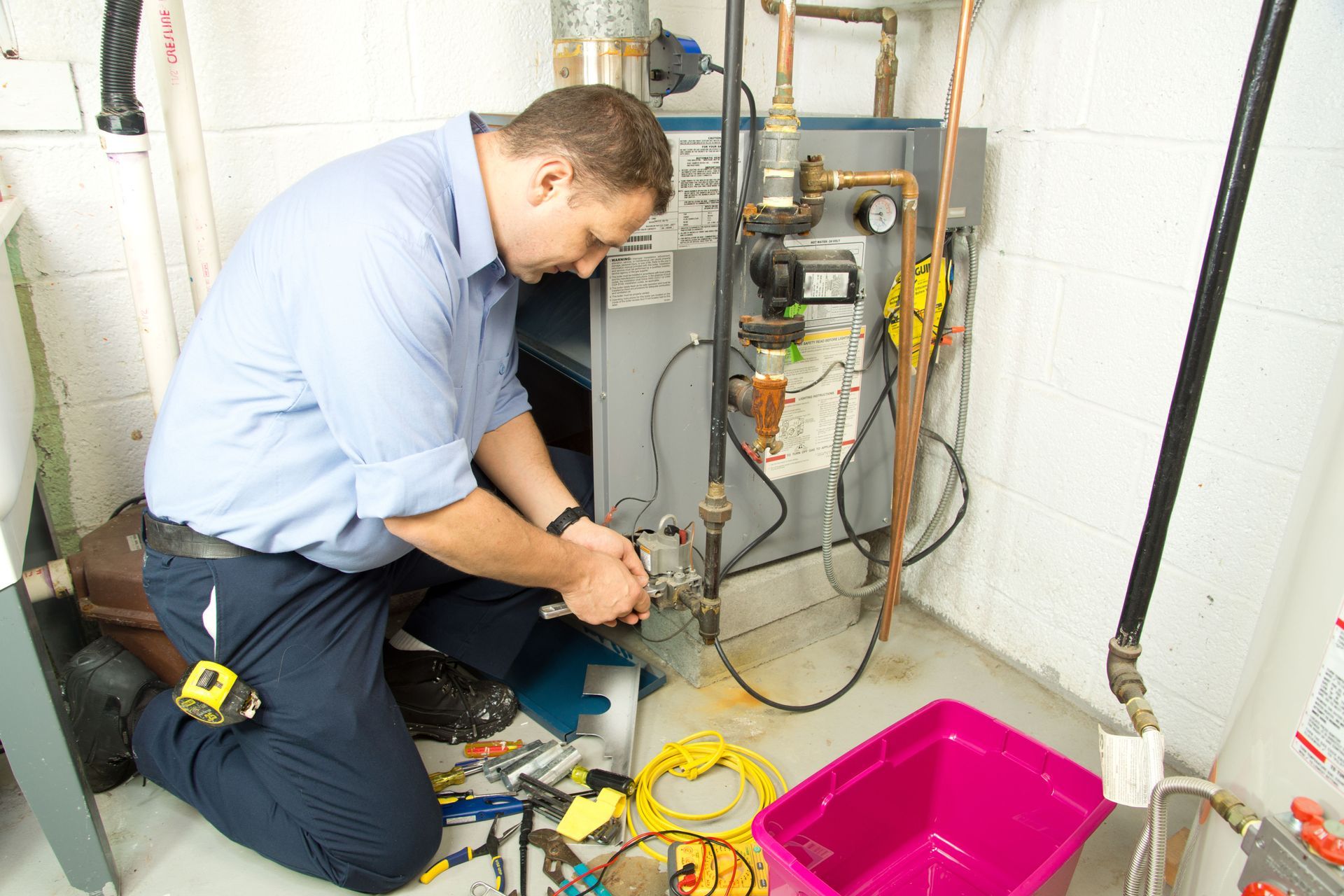
Tank systems benefit from periodic flushing to remove sediment from the bottom of the reservoir. Technicians may also inspect the anode rod, temperature and pressure relief valve, burner, venting, connections, and surrounding area. These tasks help preserve efficiency and reveal leaks or corrosion before they cause a sudden loss of hot water or damage nearby materials.
Tankless units require maintenance as well. Mineral deposits can collect inside the heat exchanger, particularly in homes with hard water, and restrict performance. Periodic descaling helps maintain flow and heating efficiency. Filters, burners, vents, and electrical components may also need inspection. Scheduling plumbing services for routine care can help either type of water heater operate safely, efficiently, and reliably throughout its expected service life.
Preparing for Repairs and Replacement
Tank water heaters have a familiar design, and replacement parts are generally easy to obtain. Common problems may involve heating elements, thermostats, burners, valves, or pilot systems. However, a leaking storage tank usually cannot be repaired and requires complete replacement. Because a failed tank can release a significant amount of water, homeowners should respond quickly to corrosion, moisture, or unexplained pooling around the unit.
Tankless units contain specialized sensors, controls, heating components, and flow systems. Repairs may require a technician who is familiar with the specific brand and model. Error codes can help identify problems, but professional testing is still important. Before selecting a system, homeowners may want to ask about local parts availability, warranty coverage, and access to qualified repair professionals.
Matching the System to Household Priorities
A tank water heater may be the better choice for homeowners who prioritize a lower initial cost, straightforward replacement, and a familiar system. It can reliably serve households with predictable hot-water demand when the capacity and recovery rate are appropriate. A tank model may also be practical when the existing utility connections are already compatible and extensive property modifications would make a tankless installation too expensive.
A tankless system may appeal to homeowners who value energy efficiency, continuous hot water, a compact design, and a potentially longer service life. The benefits are strongest when the unit is sized and installed correctly. Professional plumbing services can compare the available options with the home's utility capacity, fixture count, water quality, and peak demand. This individualized assessment helps prevent performance problems and supports a more informed investment.
Tank and tankless water heaters can both provide dependable hot water, but they serve household needs in different ways. Tank models usually offer lower initial costs and simpler installation, while tankless units can reduce standby energy use, conserve space, and provide continuous hot water within their rated capacity. Homeowners should consider demand, efficiency, available space, installation expenses, maintenance, and long-term ownership costs before deciding. Working with knowledgeable plumbing services can make these comparisons easier and help identify a system suited to the property. For professional guidance, installation, maintenance, or repairs, contact Totally Stoked Septic & Plumbing Services.
















Share On: